Tarot
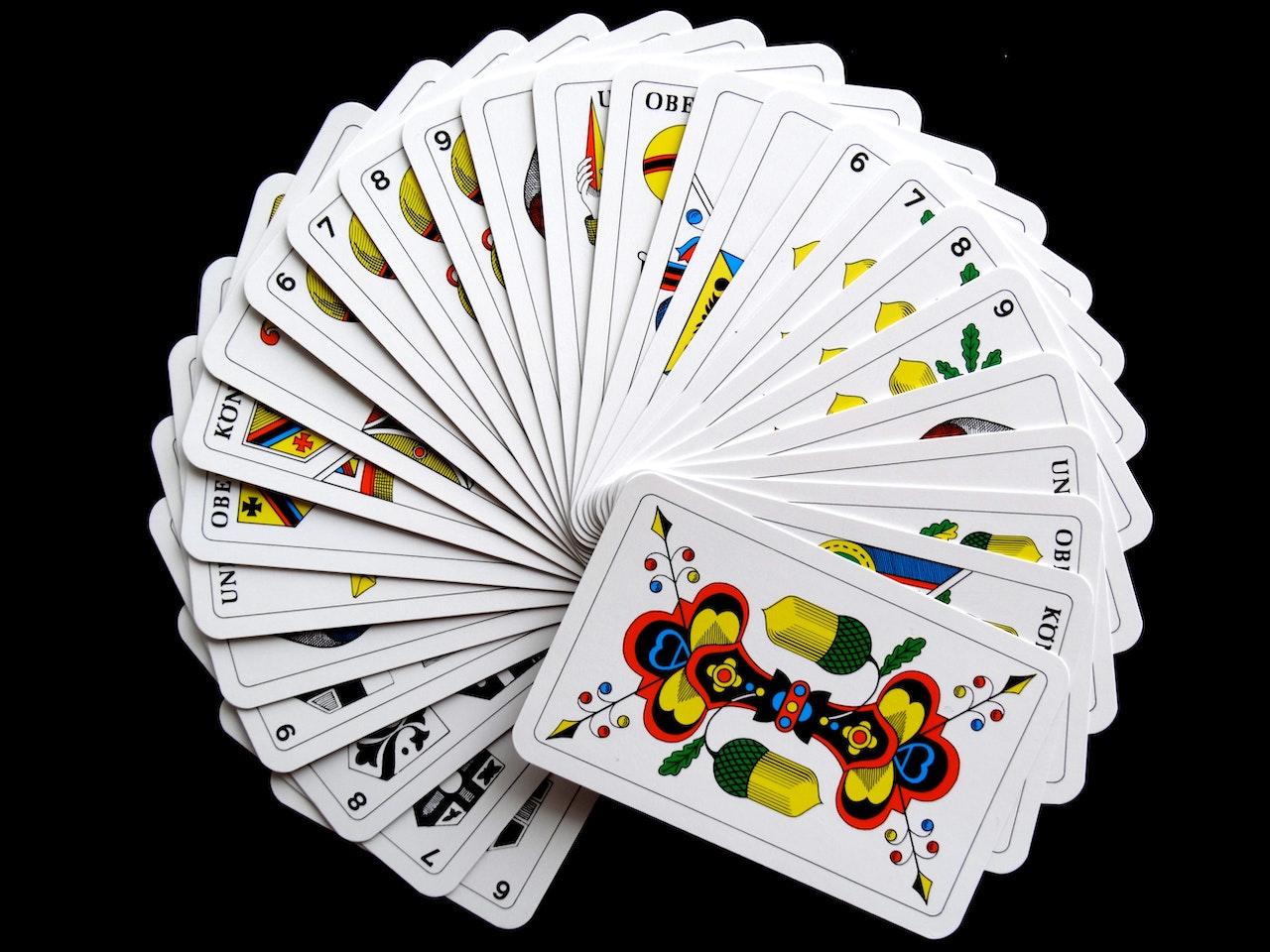
Quick answer: Tarot is a form of cartomancy — divination using cards — based on a 78-card deck. The deck is split into the Major Arcana (22 cards covering big life themes like Death, The Fool, The Lovers) and the Minor Arcana (56 cards across four suits — Cups, Pentacles, Swords, Wands — covering the texture of everyday life). A tarot reading isn't a prediction; it's a mirror. The cards reflect what the seeker already knows but hasn't named yet.
Where it comes from
The origin of tarot is unknown, but it most likely emerged in 15th-century Italy, derived from the card game tarocchi. The earliest decks were rather plain, featuring basic geometric designs, and were used for play before they were used for reading. Over the next few hundred years tarot evolved into its current form — intricate artwork, dense symbolism, and a stable structure of 78 cards across two arcana.
The deck became a divination tool in 18th-century France, when occultists like Antoine Court de Gébelin and Etteilla started reading the imagery as encoded esoteric wisdom. The Rider–Waite–Smith deck, illustrated by Pamela Colman Smith and published in 1909, gave us the visual language most readers still use today.
The structure of the deck
- Major Arcana (22 cards). Big archetypes — life-stage themes, soul-level questions. The Fool, The Magician, The High Priestess, all the way to The World. When several Majors show up in a reading, the situation is significant; the seeker isn't just deciding what to do this week.
- Minor Arcana (56 cards). Day-to-day texture, organized in four suits:
- Cups — emotion, relationships, intuition.
- Pentacles — work, money, body, the material world.
- Swords — thought, conflict, communication, decisions.
- Wands — energy, creativity, action, what's catching fire.
- Each suit runs Ace through Ten plus four court cards (Page, Knight, Queen, King) representing different ways of holding that suit's energy.
How a tarot reading actually works
A reading is a structured conversation. The seeker brings a question. The reader shuffles, lays the cards out in a spread — sometimes one card, sometimes ten — and reads them in context. Common spreads:
- One-card pull. Today, this situation, this decision.
- Three-card. Past / present / future, or situation / action / outcome, or mind / body / spirit.
- Celtic Cross. Ten cards covering the question, the obstacle, the past, the future, the conscious mind, the subconscious, the influences, the seeker's stance, what the environment offers, and the likely outcome.
Reversed cards (drawn upside down) usually mean the energy is internal, blocked, or in shadow — not necessarily bad, just turned inward.
What tarot is good at — and what it's not
Tarot is best at clarifying questions that the seeker is already half-formed about: a decision, a relationship pattern, what to focus on next. It's poor at literal prediction — will I get the job? — and any honest reader will reframe that question into one tarot can answer well, like what is my relationship with this opportunity asking me to see?
Related terms
For a wider view of divination methods see Astrology, Crystal ball, Hand reading, and Tea leaves. For individual card meanings, see the Tarot card meanings hub. For how a Mercury Retrograde tends to color a tarot reading, see that entry.
---